

The Creative Side of Color Brush Pens: Art, Lettering and More
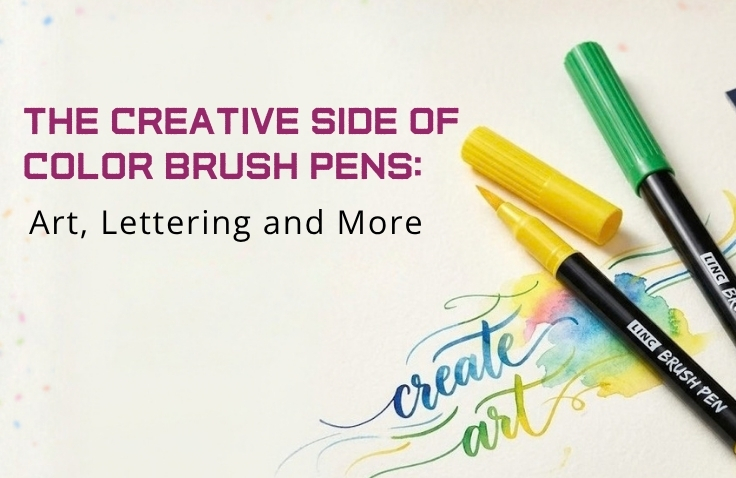
Ever picked up a pen just to doodle in a margin, then looked up an hour later to find a whole page of swirls? That little slip into creativity is exactly what a good brush tip can encourage. At Linc, we've watched it turn casual scribblers into confident artists. A Color Brush Pen doesn't demand perfection. It just asks you to start.
So let's look at where a Color Brush Pen really earns its place on your desk: sketchbooks, lettering practice, journals, and a few surprising corners in between.
Why a Color Brush Pen Feels Different?
Most of us grew up with hard-tip pens. You press, you write, you move on. A brush tip behaves differently. Press lightly, and you get a hairline. Lean in and the stroke swells, almost like paint without the mess. That's what makes brush pens so useful for artists. Try one on scrap paper, and you'll feel the difference within seconds.
Linc brush tips are designed to spring back after every stroke, helping lines stay clean even during longer sessions. The colors also lay down evenly, which matters more than you'd think when you're filling a large shape. A good Color Brush Pen gives you control without making you think about it, and that's when drawing starts to feel fun instead of fussy.
Sketching and Illustration with a Color Brush Pen
Open almost any artist's sketchbook, and you'll spot the same routine. Rough pencil first, then ink over the top. Plenty of illustrators pair a fineliner pen for crisp outlines with a brush tip for shading and fills. The mix gives you detail and softness in a single drawing, and it's surprisingly quick to learn.
Linc color brush pen can work well for this approach when you want steady ink flow for shading and fills. Layer a lighter shade first, let it dry for a few seconds, then go over it with something deeper. You get soft gradients without ever reaching for a paintbrush.
Hand Lettering: Where Brush Tips Show Off?
Scroll through any lettering account, and one thing jumps out: the contrast. Downstrokes are bold, upstrokes are hair-thin. That rhythm is what makes brush lettering look so graceful.
Beginners usually struggle at first. Wobbly lines, uneven pressure, letters that look nothing like the tutorial. Totally normal. Give it two weeks of daily drills and your hand starts to remember. A Color Brush Pen from Linc makes practice less painful because the tip forgives small mistakes. Try a dark shade for the main word and a lighter one for the drop shadow. Suddenly a plain greeting card looks professional.
Don't rush it, either. Slow, deliberate strokes beat fast scribbles every time, and tracing printed guide sheets first can teach your wrist the right pressure before you try freehand words.
How to Choose the Right Pen for Your Style?
Ask multiple artists for the best pen for sketching, and you'll hear different answers. That's because it depends on how you draw. Before you buy, run through this quick checklist:
- Tip flexibility: a brush tip that bounces back can help keep your lines consistent.
- Ink flow: steady, skip-free ink saves you from frustrating gaps.
- Drying time: quick-drying ink means fewer smudges on the page.
- Shade range: more colors mean easier blending and layering.
- Grip comfort: a balanced barrel keeps your hand relaxed during long sessions.
Every Color Brush Pen in the Linc range is designed around these basics, so you're not guessing in the shop aisle.
Beyond the Sketchbook: Everyday Creative Uses
Here's the part people don't expect. Once you own a Color Brush Pen, it sneaks into everything. Students color-code notes. Parents decorate lunchbox notes. Office workers use them to make planners more personal. A few popular ways to use one:
- Bullet journaling: color-coded headers, habit trackers, and mood pages.
- Greeting cards and gift tags: quick, personal, and far nicer than store-bought.
- Mandala and coloring-book art: smooth fills without streaks.
- Planner decoration: banners, dividers, and tiny doodles that make Mondays easier.
- Invitations and signs: calligraphy-style names that look hand-finished.
Keep a fineliner pen close by for the small stuff, like captions, borders, and tiny lettering. The brush handles the drama; the fine tip handles the details. Linc makes both, so mixing them in one pouch is easy.
Small Habits That Make Your Pens Last
Brush tips are friendly, but they do like a little care. Store your pens as recommended by the manufacturer, and keep them capped when not in use. Cap them firmly after use; even a few minutes open can dry the tip. And avoid pressing too hard. It's tempting when you're concentrating, but heavy pressure can wear down the tip faster.
Test colors on a scrap sheet before committing to the final piece. It sounds fussy, yet it saves a few ruined pages. Paper matters too. Smooth, slightly thick paper lets the ink glide and keeps it from bleeding through. With these habits, a Linc pen can stay reliable through regular practice, and you'll notice your strokes getting steadier week after week.
Conclusion
A Color Brush Pen is more than a coloring tool. It's a small, portable way to loosen up, play with shade, and finally enjoy the process of making things. Whether you're shading a portrait, practicing script, or decorating a planner, the brush tip rewards a light touch and a bit of patience.
Pair it with a fine tip for sharp detail, and you've got a kit that covers nearly every creative mood. If you're still hunting for the best pen for sketching, start with comfort, ink flow, and a tip that bounces back. Linc puts all of that into every pen, so all you need to bring is curiosity. Pick one up, make a mess, and keep going. Your next favorite drawing is already waiting.
Tags:
Share
Latest Posts

Reach Us